
In our evolving world, the importance of inclusive language cannot be overstated. As an executive wellbeing coach, I recognise the significance of fostering environments where psychologically safety is evident that are respectful, welcoming and considerate of diverse perspectives. To cultivate a genuinely inclusive culture, it is imperative to thoroughly examine the language employed by individuals across all sectors of your organisation and ensure your communication promotes a culture of inclusivity.
Overview of Inclusive Language:
Inclusive language goes beyond mere words; it reflects a mindset of respect and recognition for all individuals, regardless of their background, identity, or abilities. It’s about creating an environment where everyone feels valued and included, regardless of their background, gender, ability, or other characteristics.
By using language that embraces diversity, we create a more inclusive and supportive atmosphere, both personally and professionally.
10 Top Tips for Using Inclusive Language:
1. Avoid Gendered Language:
Refrain from using gender-specific terms when addressing mixed-gender groups. Instead of “guys,” opt for neutral alternatives like “everyone” or “folks.”
2. Be Mindful of Pronouns:
Respect individuals’ pronouns and use them consistently. If unsure, ask for preferred pronouns, demonstrating a commitment to acknowledging and honouring personal identity.
What not to say: “He or she should submit his or her report.”
Instead, say: “They should submit their report.”
3. Consider Cultural Sensitivities:
Be aware of cultural nuances and avoid stereotypes. Familiarise yourself with diverse cultural norms to ensure your language is inclusive and respectful.
What not to say: “Why don’t you celebrate holidays like everyone else?”
Instead, say: “Tell me more about the holidays you celebrate.”
4. Use Person-First Language:
Put the person before their condition or identity. For instance, say “a person with a disability” rather than “disabled person.”
5. Embrace Neutral Terminology:
Choose words that are neutral and inclusive. Replace terms that may carry negative connotations or assumptions with more universally accepted language.
What not to say: “That’s so lame.”
Instead, say: “That’s not my preference.”
6. Steer Clear of Ableist Language:
Eliminate language that may perpetuate ableism. Be mindful of phrases that stigmatise or marginalise individuals with disabilities.
What not to say: “That idea is insane; no one would ever go for it.”
Instead, say: “That idea is unconventional; let’s explore its potential.”
7. Include Everyone in Addressing Groups:
Instead of assuming a shared characteristic, address groups in a way that includes everyone. For example, “professionals” instead of “young professionals.”
Or
What not to say: “Ladies and gentlemen, welcome.”
Instead, say: “Welcome, everyone.”
8. Mind Your Tone:
Pay attention to the tone of your communication. Ensure it is respectful, open, and free from any unintentional bias or exclusionary language.
What not to say: “You’re being too sensitive.”
Instead, say: “I appreciate your perspective; let’s discuss it further.”
9. Educate Yourself:
Continuously educate yourself on evolving language norms and inclusivity. Stay informed about emerging terms and best practices to remain a champion of inclusivity.
10. Seek Feedback:
Encourage open dialogue and feedback from your peers. This creates an environment where everyone feels comfortable expressing their needs and concerns regarding language use.
What not to say: “I didn’t mean it that way; you’re overreacting.”
Instead, say: “I value your feedback; help me understand better.”
Conclusion:
Inclusive language is a powerful tool for fostering a sense of belonging and respect within our communities. Avoiding language that may inadvertently exclude or marginalise others, we contribute to a more harmonious and respectful environment. Incorporating these tips into your communication can impact significantly on the overall wellbeing of individuals. By embracing inclusive language, we not only enhance our interpersonal relationships but also contribute to a more harmonious and supportive professional environment. Remember, language is a reflection of our values – let’s make ours inclusive and affirming for all.
By Marie Loney
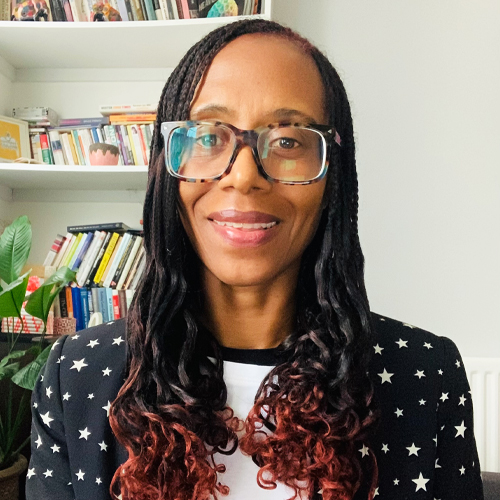
Marie is the founder and CEO of Glow Consultancy London. She is an experienced executive coach, business consultant and trainer. Throughout her career Marie has worked in fashion, the Arts, marketing, banking, pharma and education supporting leaders, teams and organisations to discover potential outcomes to professional and personal challenges. Her practice is solution focused, supporting leaders to implement initiatives that positions wellbeing at the core of business and employee development
We don’t recycle old ideas.
We shape what’s next.
Language matters – but inclusive language alone won’t close the structural gaps that hold people back.
Read where we are now: Closing Your Ethnicity Pay Gap
Also worth reading: Allyship Programme