
Creating a Culture of Inclusion and Belonging: The Key to Unlocking Your Team’s Full Potential
In today’s fast-paced and diverse work environments, fostering a culture of belonging is more than just a feel-good initiative; it’s a strategic imperative. We’ve witnessed first hand the transformative power of belonging in the workplace. When employees feel valued, seen, and heard, they’re not just happier – they’re more engaged, innovative, and productive.
The Belonging Advantage: Backed by Research
The data speaks for itself. A study by BetterUp found that employees who feel a strong sense of belonging are 56% more likely to perform at their best, 50% less likely to experience burnout, and 167% more likely to recommend their company as a great place to work. These numbers underscore the undeniable link between belonging and a thriving workplace.
But what exactly is belonging? It’s more than just fitting in; it’s about feeling accepted, valued, and connected to your colleagues and the organization’s mission. It’s about knowing that your unique perspective matters and that you’re an integral part of the team.
The Cost of Exclusion
Conversely, the absence of belonging can be detrimental. When employees feel excluded or marginalised, it can lead to disengagement, decreased productivity, and even turnover. A recent study by Deloitte revealed that a lack of belonging is a significant driver of employee attrition, costing organisations billions annually.
Building a Culture of Belonging: A Roadmap
So, how can you create a culture of belonging in your workplace? It starts with leadership commitment. Leaders must not only champion diversity and inclusion but also model inclusive behaviours and create a safe space for employees to express themselves authentically.
Next, it’s crucial to foster connections among team members. Encourage collaboration, create opportunities for social interaction, and celebrate individual and team achievements. When employees feel connected to their colleagues, they’re more likely to feel a sense of belonging.
Finally, don’t underestimate the power of feedback. Regularly solicit feedback from employees about their experiences and perceptions of belonging. Use this feedback to identify areas for improvement and implement targeted interventions.
Download My Free Checklist
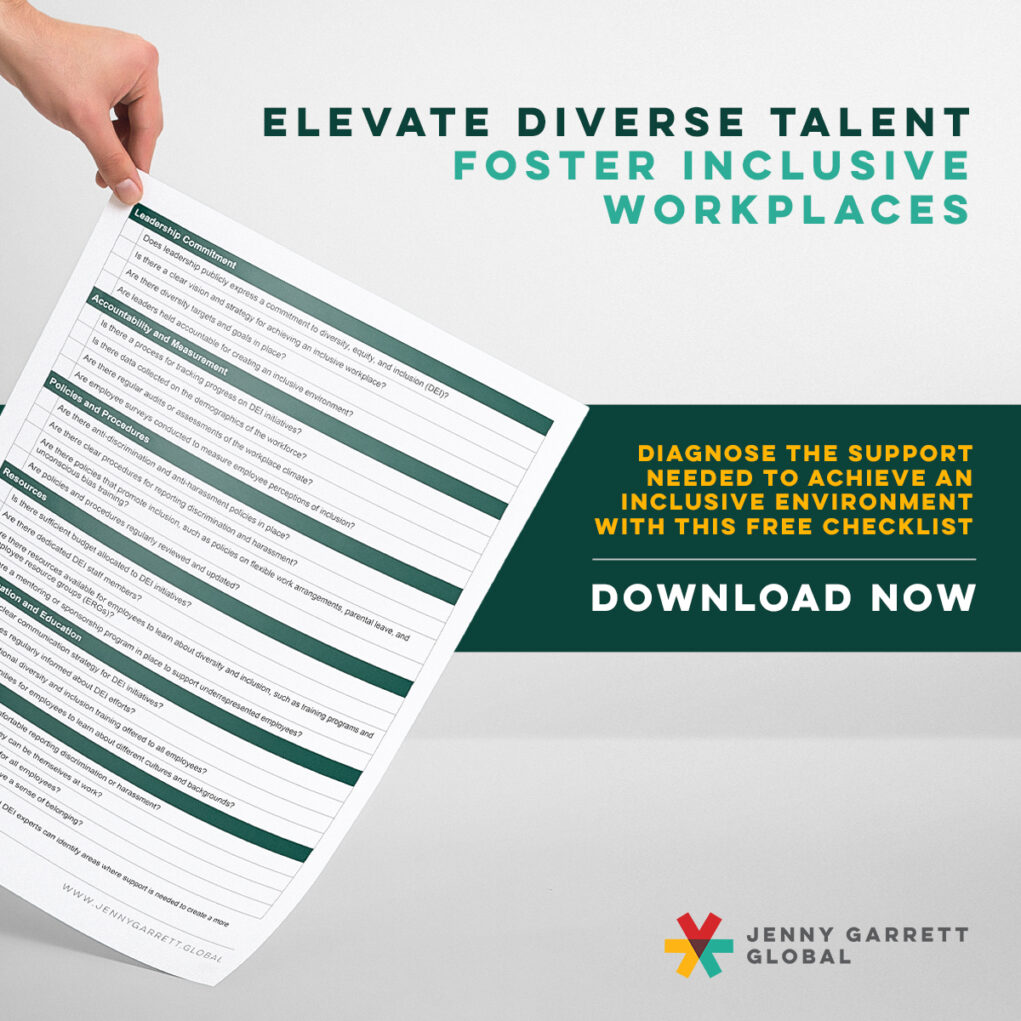
To help you on your journey to creating a culture of belonging, we’ve created a comprehensive checklist that outlines key steps you can take. Download it today and start unlocking your team’s full potential.
Remember, a culture of belonging is not a one-time initiative; it’s an ongoing commitment. By investing in belonging, you’re not just improving your workplace; you’re investing in the future of your organisation.
This checklist is a tool designed for HR and DEI experts to assess and enhance inclusivity in the workplace. It covers key areas such as leadership commitment, accountability, policies, resources, communication, and workplace culture. By examining these areas, organisations can pinpoint where improvements are needed to foster a more inclusive environment for all employees.