When boards commit to equity, diversity, and inclusion, they’re not just ticking a governance box, they’re igniting transformation that cascades through every level of their organisation. But here’s what 20 years of working with boards has taught me: a single workshop isn’t the destination. It’s the beginning of a journey that requires courage, commitment, and ongoing accountability.
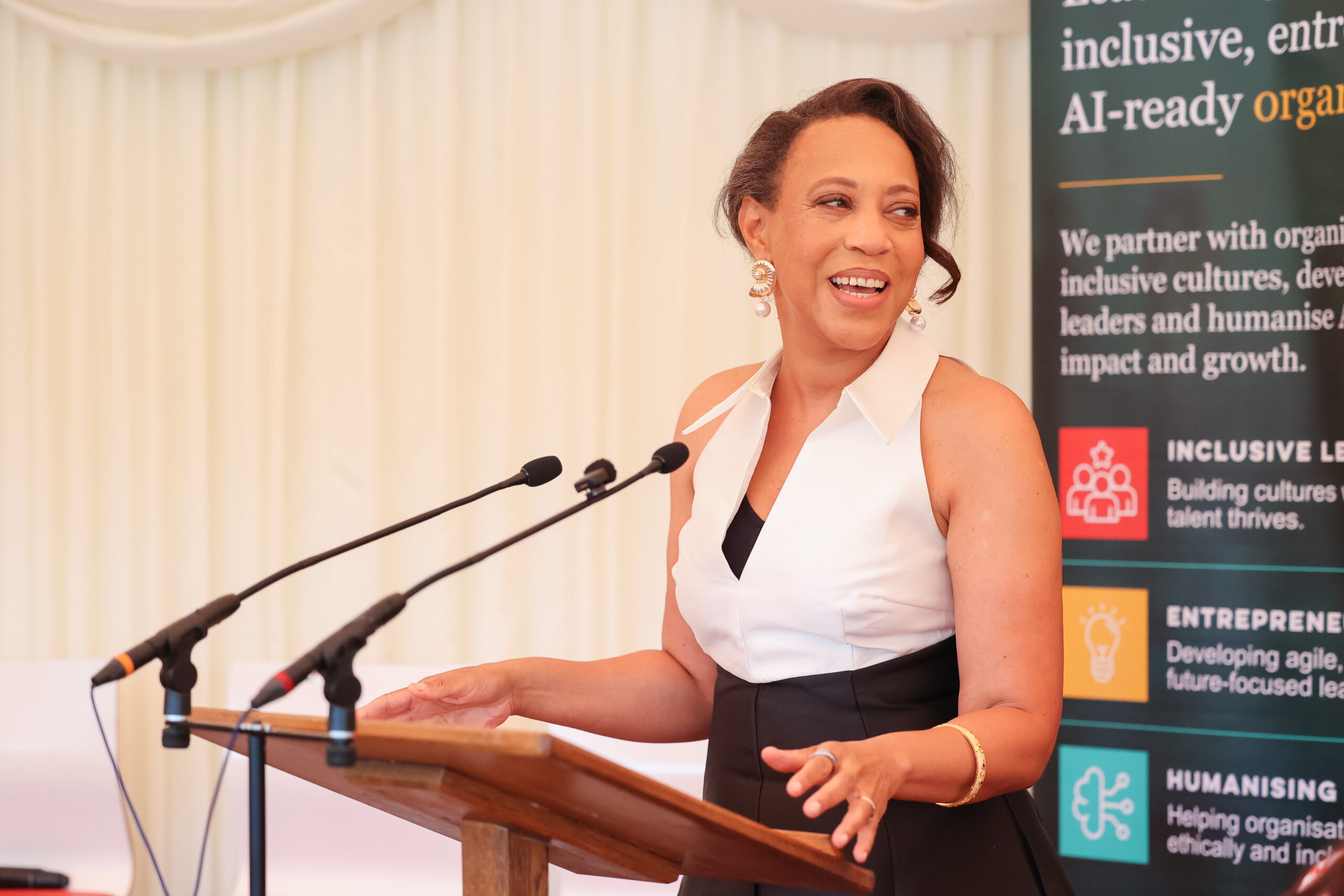
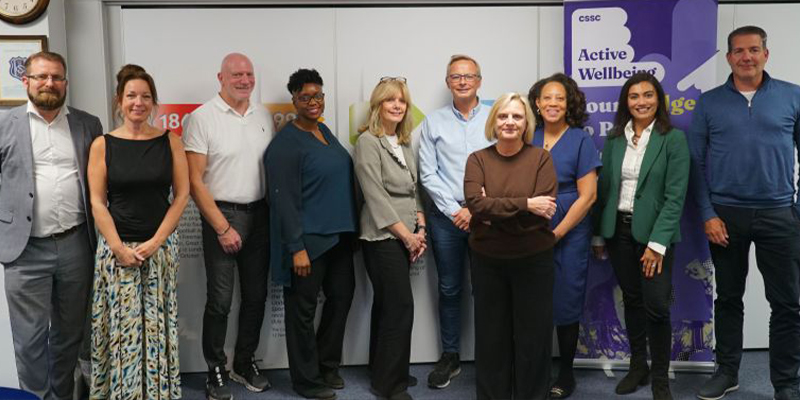
Recently, I had the privilege of facilitating a board-level ED&I workshop for CSSC, a membership organisation serving the public sector. As Interim Chief Executive Officer Devi Virdi reflected, this session marked “a meaningful step in our ED&I journey, one that requires continued reflection, accountability, and action at Board level and beyond.”
This is the reality of effective board level ED&I work: it’s not about the workshop itself, it’s about what boards choose to do next.
Why Board-Level ED&I Workshops Matter
Boards set the strategic direction, allocate resources, and model the behaviours that shape organisational culture. When boards engage deeply with ED&I, they signal that inclusive leadership isn’t an HR initiative, it’s a strategic imperative.
Yet too often, board ED&I sessions remain surface-level: compliance-focused briefings rather than transformative experiences that challenge thinking and catalyse action.
Effective board-level ED&I workshops create:
- Shared understanding of what ED&I means in your specific context, not generic definitions but strategic imperatives relevant to your organisation’s mission
- Personal and collective accountability for boards to examine their role in either perpetuating or dismantling barriers
- Tangible actions that boards can champion across the organisation, from policy to culture
For membership organisations and public sector bodies, this work carries additional significance. You exist to serve communities, and your ability to do so equitably depends on whether your leadership truly understands and values the diversity within those communities.
What Makes Board ED&I Workshops Effective?
After two decades of facilitating board level sessions across private, public, and not-for-profit sectors, I’ve learned that transformation happens when boards move beyond theoretical discussions to honest, strategic conversations.
Here’s what distinguishes transformative board ED&I workshops:
1. Strategic Context, Not Generic Content
Your board doesn’t need a generic ED&I 101. You need to explore what inclusive leadership means for your organisation’s unique challenges.
In CSSC’s session, board members immediately connected ED&I to their strategic priorities: This wasn’t abstract theory, it was strategic business planning through an equity lens.
2. Interactive Engagement, Not Passive Learning
Transformation doesn’t happen when boards sit through PowerPoint presentations. It happens when they grapple with real questions together.
Effective board workshops include pre-work that gets members thinking beforehand, interactive exercises that surface different perspectives, and structured dialogue that creates space for honest reflection. When boards arrive prepared and ready to engage, the quality of conversation deepens significantly.
3. Data-Driven Insights That Challenge Assumptions
Strong workshops help boards move from assumptions (“young people want this, older members prefer that”) to evidence-based strategy. Questions emerge about membership demographics, volunteer representation, geographic reach, and whether services genuinely work for people across different characteristics and life circumstances.
For membership organisations, this might mean overlaying workforce demographics with membership data to identify gaps, conducting user research with both members and non-members, or examining whether your offer truly creates belonging for everyone who joins.
4. Space for Honest Reflection About Culture
Perhaps the most critical element: creating psychological safety for boards to name what’s really happening in their organisations.
In effective sessions, boards begin examining not just policies and programmes, but culture itself. They explore difficult questions about hierarchy, power dynamics, how different groups experience the organisation, and whether transformation efforts are genuine or performative. This kind of honesty requires skilled facilitation and a commitment to confidentiality.
5. From Insight to Action Planning
The best board workshops don’t end with reflection; they move to commitment.
Boards that engage seriously begin identifying concrete next steps during the session itself: data they need to gather, conversations they need to have, decisions they need to revisit, and follow-up accountability they need to establish. The workshop becomes a catalyst for ongoing work, not a standalone event.
6. Commitment to Ongoing Accountability
A single workshop is just the beginning. Transformation requires continued reflection, accountability, and action. Boards must commit to embedding ED&I into governance structures, strategic planning, and decision-making processes, with scheduled follow-up to assess progress and address barriers.
ED&I Transformation for Membership Organisations
Membership organisations face a particular challenge: you’re accountable not just to your staff and volunteers but to your entire membership base. Your legitimacy depends on members seeing themselves reflected in your leadership and experiencing genuine inclusion in your services.
Board-level ED&I workshops for membership organisations must address:
- Who are you reaching, and who are you missing? Understanding the demographics of who engages with your services versus who’s in your potential market reveals critical gaps.
- Do people who join actually feel they belong? Recruitment is only half the equation. Retention depends on whether diverse members experience genuine inclusion or just tokenistic welcome.
- How do you create inclusion by design, not exception? Moving from making adjustments for “different” people to embedding accessibility and inclusion into everything you offer from the start.
- What does inclusive change management look like? Many membership organisations are navigating transformation. How do you take diverse stakeholders on that journey without leaving anyone behind?
- How does volunteer culture either enable or undermine inclusion? For volunteer-led organisations, examining the culture that volunteers create, and whether it welcomes or alienates different groups, is essential.
The Journey Ahead: From Workshop to Transformation
CSSC’s board workshop was explicitly positioned as “the beginning of a pivotal journey, part of CSSC’s transformation agenda.” This framing is essential.
What emerged in our session wasn’t a neat set of answers but a deeper set of questions, questions about data, culture, member experience, and strategic direction. Board members left with clarity about the work ahead and commitment to follow through.
This is what transformation looks like at board level: not a workshop that provides all the answers, but a conversation that surfaces the right questions and creates accountability for finding those answers together.
ED&I transformation at board level is not:
- A one-off training session
- A box-ticking exercise
- Something you can outsource and forget
ED&I transformation at board level is:
- An ongoing commitment to reflection and growth
- A strategic priority that requires board accountability
- A journey that demands both courage and humility
- Work that creates ripple effects throughout the entire organisation
When boards embrace this journey, when they commit to ongoing learning, evolving practices, and tangible action, they create the conditions for true organisational transformation.
Taking the Next Step
If your board is ready to move beyond performative ED&I and commit to transformation, the journey begins with honest conversation and strategic commitment.
Ready to explore what board-level ED&I transformation could look like for your organisation?
Get in touch for a consultation to discuss how we can support your board’s ED&I journey with workshops tailored to your unique context.
Want to understand how inclusive leadership connects to future-ready organisations? Read our blog on AI-Ready Boards to discover why inclusive leadership is the foundation for navigating technological transformation.
About Jenny Garrett OBE
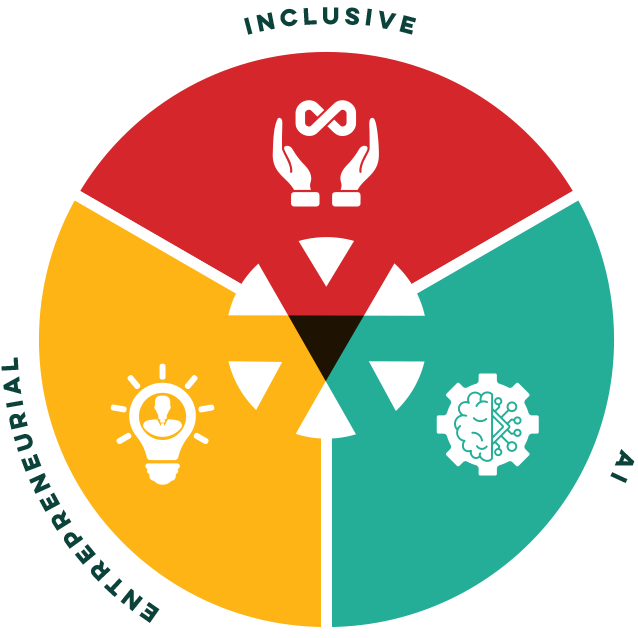
Jenny Garrett is the Founder and CEO of Jenny Garrett Global, a boutique leadership development consultancy specialising in Inclusive Leadership, Entrepreneurial Leadership, and AI-Ready Leadership. With 20 years of experience working with boards and leadership teams across private, public, and not-for-profit sectors, Jenny helps organisations move from performative ED&I to transformative inclusive leadership. She was awarded an OBE for services to Entrepreneurship and Women in Business and is a Freeman of the Worshipful Company of HR Professionals.
FAQ: Board-Level ED&I Workshops
What is a board-level ED&I workshop?
A board level ED&I workshop is a facilitated session designed specifically for boards of directors and trustees to develop their understanding of equity, diversity, and inclusion as a strategic imperative. Unlike staff training, board ED&I workshops focus on governance accountability, strategic decision-making, and the board’s role in shaping inclusive organisational culture.
How long should a board ED&I workshop be?
Effective board ED&I workshops typically run 2-3 hours for an initial session, with pre-work to prepare participants and a follow-up session scheduled 3-6 months later to review progress and maintain accountability. The most successful transformations involve ongoing board engagement rather than one-off sessions.
What makes board level ED&I workshops different from staff diversity training?
Board ED&I workshops address strategic governance questions rather than operational practices. Boards explore their role in setting inclusive direction, allocating resources for ED&I transformation, modelling inclusive leadership behaviours, and holding the organisation accountable for progress. The focus is on systemic change, not individual awareness.
Why are board ED&I workshops particularly important for membership organisations?
Membership organisations must demonstrate inclusion both internally (staff and volunteers) and externally (members and communities served). Board ED&I workshops help membership organisation leaders understand who they’re reaching, who they’re missing, and how to create genuine belonging for diverse members, not just diverse recruitment.
How do you measure the success of a board ED&I workshop?
Success is measured not by the workshop itself but by what boards do afterwards: actions taken, policies reviewed, data gathered, culture shifts initiated, and accountability mechanisms established. Effective workshops include follow-up sessions to assess progress and address barriers to implementation.
Can board ED&I workshops work for public sector organisations?
Absolutely. Public sector organisations and their boards have particular accountability to serve diverse communities equitably. Board ED&I workshops for public sector bodies focus on inclusive service delivery, representative governance, equitable resource allocation, and ensuring transformation initiatives don’t disproportionately impact certain groups.
What should boards do between the initial workshop and follow-up session?
Boards should identify specific actions during the workshop, gathering demographic data, conducting member research, reviewing volunteer culture, examining decision-making processes, or updating policies. The period between sessions is for implementation, with boards bringing insights about what worked, what didn’t, and where they need support.
How do you ensure psychological safety in board ED&I workshops?
Skilled facilitation creates space for honest reflection by establishing confidentiality, normalising different starting points in ED&I knowledge, avoiding judgement, and framing the work as a collective journey. Boards need to examine uncomfortable truths about organisational culture, which requires trust and safety to do effectively.